

You sleep well, you drink your water, and you still look tired. If shadows under your eyes are the reason, tear trough filler may help, and the first thing most people want to know is how long does tear trough filler last. The honest answer is usually around a year, but who it suits and who carries out the treatment matter just as much.
At Empire Medical Clinic in Oldbury, tear trough filler is one of the treatments we approach with the most care. This guide explains how it works, what can go wrong and how to tell whether it is right for you.
At a glance
- What it treats: Hollowing and shadows between the lower eyelid and cheek
- Product: Hyaluronic acid dermal filler
- How long it lasts: Typically 9 to 12 months, sometimes longer
- Downtime: Possible swelling and bruising for several days
- Reversible: Yes, hyaluronic acid filler can be dissolved
What Is Tear Trough Filler?
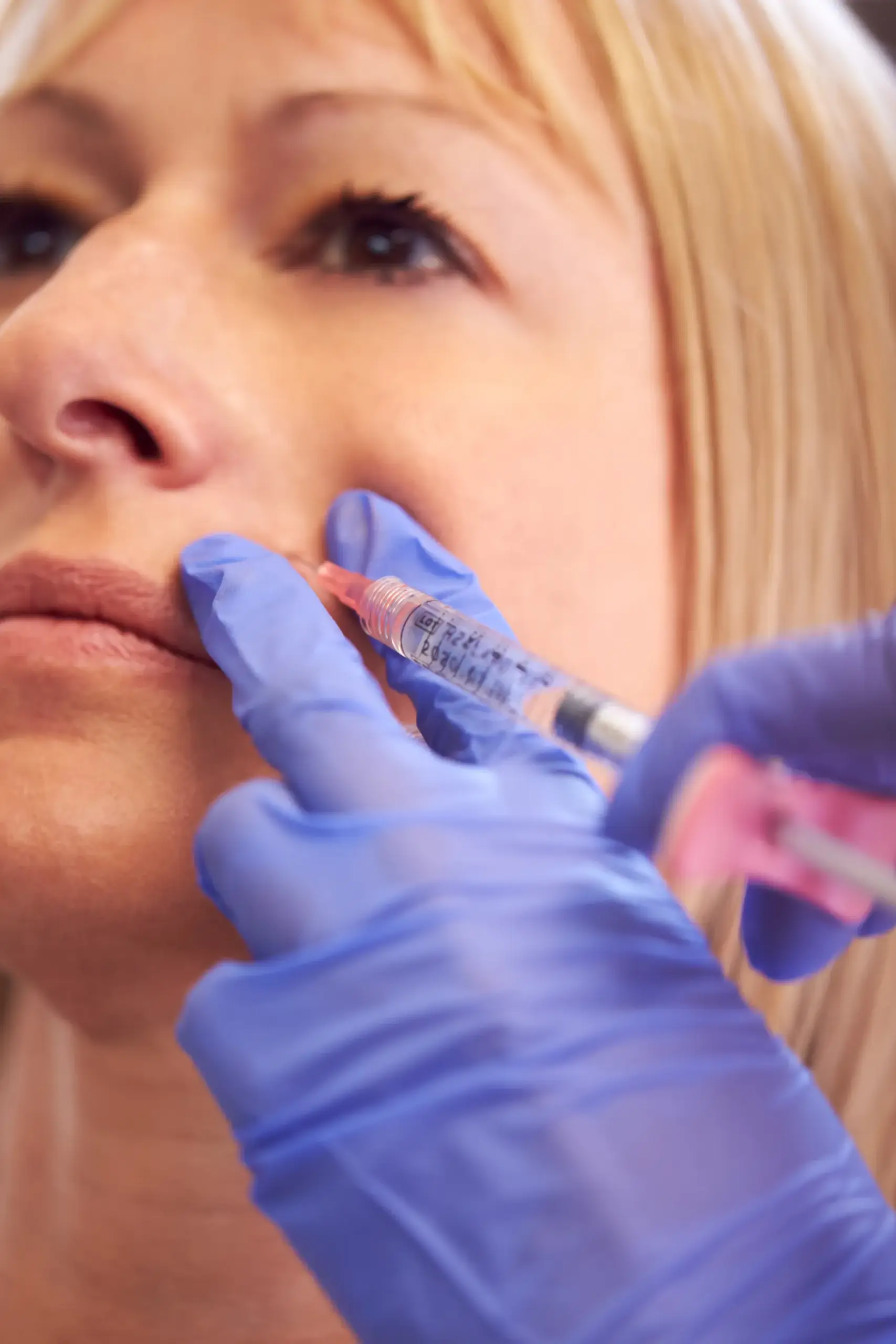
Tear trough filler is a hyaluronic acid dermal filler placed in the hollow between the lower eyelid and the cheek to soften shadows and reduce a tired appearance.
The tear trough is the groove that runs from the inner corner of the eye down and across the upper cheek. With age, we lose volume and fat in this area and the skin becomes thinner, so the groove deepens and casts a shadow.
Placing filler in the tear troughs replaces some of that lost volume. Hyaluronic acid is already found naturally in the skin, which helps it sit smoothly, and it can be dissolved if needed.
How Long Does Tear Trough Filler Last?
Tear trough filler typically lasts between 9 and 12 months, and some clients find it lasts longer, because the under-eye area moves far less than other parts of the face.
Filler breaks down more slowly where there is little movement. Compare that with lip filler, which moves every time you talk or eat and tends to be absorbed sooner.
Several factors affect how long your tear trough filler lasts. These include your metabolism, the product used, how much was placed, sun exposure, smoking and the natural quality of your skin.
Many clients do not need a full treatment each year. A smaller maintenance appointment is often enough to keep the area looking refreshed.
Why Does Longevity Vary So Much?
Longevity varies because every body breaks down hyaluronic acid at its own rate, and the under-eye area is often treated with very small volumes.
Here is what that means in practice. Two people can have the same treatment on the same day and need a review months apart. That is normal, and it is why we plan around how your filler behaves rather than a fixed calendar.
Who Is Tear Trough Filler Right For?
Tear trough filler is best suited to people whose dark circles are caused by hollowing or volume loss, rather than puffiness, excess skin or pigmentation.
This is the most important part of any consultation. Dark circles have several causes, and filler only addresses one of them.
- Good candidates usually have a visible groove or hollow, shadows that show in overhead lighting, and reasonable skin thickness.
- Less suitable candidates include people with puffy under-eye bags, very thin or crepey skin, darkness caused mainly by pigmentation, or regular fluid retention.
If filler is not right for you, we will say so. Adding filler to puffy under-eyes can make bags look worse, so an honest assessment protects you.
Tear Trough Filler Gone Wrong: What Causes Problems?
Most cases of tear trough filler gone wrong are caused by too much product, filler placed too close to the surface, or treatment of someone who was not a suitable candidate.
The under-eye area is one of the most technical areas in aesthetics. The skin is thin, important blood vessels run nearby and small errors are easy to see.
Here is where it gets important: almost every common problem is avoidable with the right assessment and technique.
The Tyndall Effect
The Tyndall effect is a bluish tinge under the skin that can appear when hyaluronic acid filler is placed too close to the surface.
Light scatters through the filler and creates a blue-grey shadow, which is the opposite of what you wanted. Placing product at the right depth helps prevent it.
Puffiness and Swelling
Hyaluronic acid naturally attracts water, so overfilling the tear trough can lead to lasting puffiness under the eyes.
That is why we use small volumes and build gradually where needed. Our “less is more” approach matters more here than anywhere else on the face.
Tear Trough Filler Migration
Tear trough filler migration happens when filler moves away from where it was placed, often because of overfilling, superficial placement or repeated pressure on the area.
Migrated filler can create a ridge or a sausage-shaped swelling below the eye. It can usually be corrected by dissolving the filler with an enzyme called hyaluronidase.
Wondering if tear trough filler is right for you?
View Dermal FillersWhy Can Tear Trough Filler Look Different When Smiling?
Tear trough filler can bulge or look lumpy when smiling if too much product has been used or it sits too close to the surface, because the cheek muscles push it upwards.
A good treatment should look natural at rest and when you laugh. We assess your face in movement as well as at rest, because that is how other people see you.
Is Tear Trough Filler Safe?
Tear trough filler is generally safe when it is carried out by a trained practitioner using a hyaluronic acid filler, careful technique and a thorough medical consultation.
Common side effects include bruising, swelling and tenderness, which usually settle within one to two weeks. A rare but serious risk is vascular occlusion, where filler blocks a blood vessel, and practitioners must be trained to recognise and treat it straight away.
Before booking anywhere, it is worth asking a few questions. What training does the practitioner have? Do they use a needle or a blunt cannula in this area, and why? Can they dissolve filler on site if something goes wrong?
What Affects the Cost of Tear Trough Filler?
The cost of tear trough filler depends mainly on the amount of product needed, the quality of the filler and the experience of the practitioner.
Because this is such a technical area, price should never be your only deciding factor. Very low prices can mean lower-grade products or limited experience with the under-eye area.
When you compare clinics, check what is included. A consultation, a review appointment and access to dissolving if needed all add real value. We will talk you through current pricing at your consultation.
Tear Trough Treatment Without Fillers
If filler is not right for you, tear trough treatment without fillers can include collagen-stimulating skin treatments, good skincare and lifestyle changes that improve the skin under the eyes.
For thin or crepey skin, microneedling can improve skin quality gradually where suitable. Better sleep, hydration, less salt and daily SPF all help too.
Darkness caused by pigmentation usually responds better to skincare than to filler. We will point you in the right direction either way.
How Long Does Tear Trough Filler Last? The Short Answer
For most clients, tear trough filler lasts around 9 to 12 months, and sometimes longer, when the right candidate is treated with the right product and technique.
So, how long does tear trough filler last for you? That depends on your skin, your metabolism and how the area is treated, which is exactly what we assess at your consultation. The goal is to look rested, never filled, which is the same philosophy behind our guide on how to avoid duck lips.
If you are looking for an aesthetics clinic in the Birmingham area that will give you an honest view of your under-eyes, our team in Oldbury is happy to help.
Frequently Asked Questions
How long does tear trough filler take to settle?
Most swelling and bruising settles within one to two weeks, and the final look is usually clear after around two weeks.
We often recommend a review at this point, so we can check the area has settled evenly.
Does tear trough filler hurt?
Most clients feel pressure and mild discomfort rather than pain, as numbing cream is applied first and many fillers contain a local anaesthetic.
Can tear trough filler be dissolved?
Yes, hyaluronic acid filler can be dissolved with hyaluronidase if you are unhappy with it or a complication occurs.
Filler dissolving is one of the treatments we offer, which means you are never locked into a look you do not like.
Is tear trough filler the same as anti-wrinkle injections?
No, tear trough filler adds volume to a hollow, while anti-wrinkle injections relax the muscles that cause expression lines.
Our guide to Botox vs fillers explains the difference in more detail.
Explore Natural-Looking Filler With Us
We assess your under-eyes honestly, use small volumes and review you as the area settles.
Explore Our Dermal Fillers
