

You want smoother, clearer, brighter skin, and you keep coming back to the same two options. Microneedling vs chemical peel is one of the comparisons our clients ask about most, and it is a fair question, because the two treatments work in very different ways. Some people search for it as micro needling vs chemical peel, but whichever way you spell it, the answer starts with what you want to change.
At Empire Medical Clinic in Oldbury, we offer both microneedling treatment and chemical peels for clients across the Birmingham area. Here is an honest comparison, so you can choose with clear expectations.
At a glance
| Microneedling | Chemical peel | |
|---|---|---|
| How it works | Fine needles create micro-channels that trigger new collagen | An acid solution exfoliates the outer layers of skin |
| Best for | Acne scarring, texture, fine lines, enlarged pores, firmness | Dullness, uneven tone, pigmentation, congestion |
| Typical course | 3 to 6 sessions, spaced several weeks apart | A course of several sessions, spaced a few weeks apart |
| Downtime | Redness for 24 to 48 hours | Redness and light flaking for a few days |
| When you see the change | Around one month after each session | Brighter skin once any flaking settles |
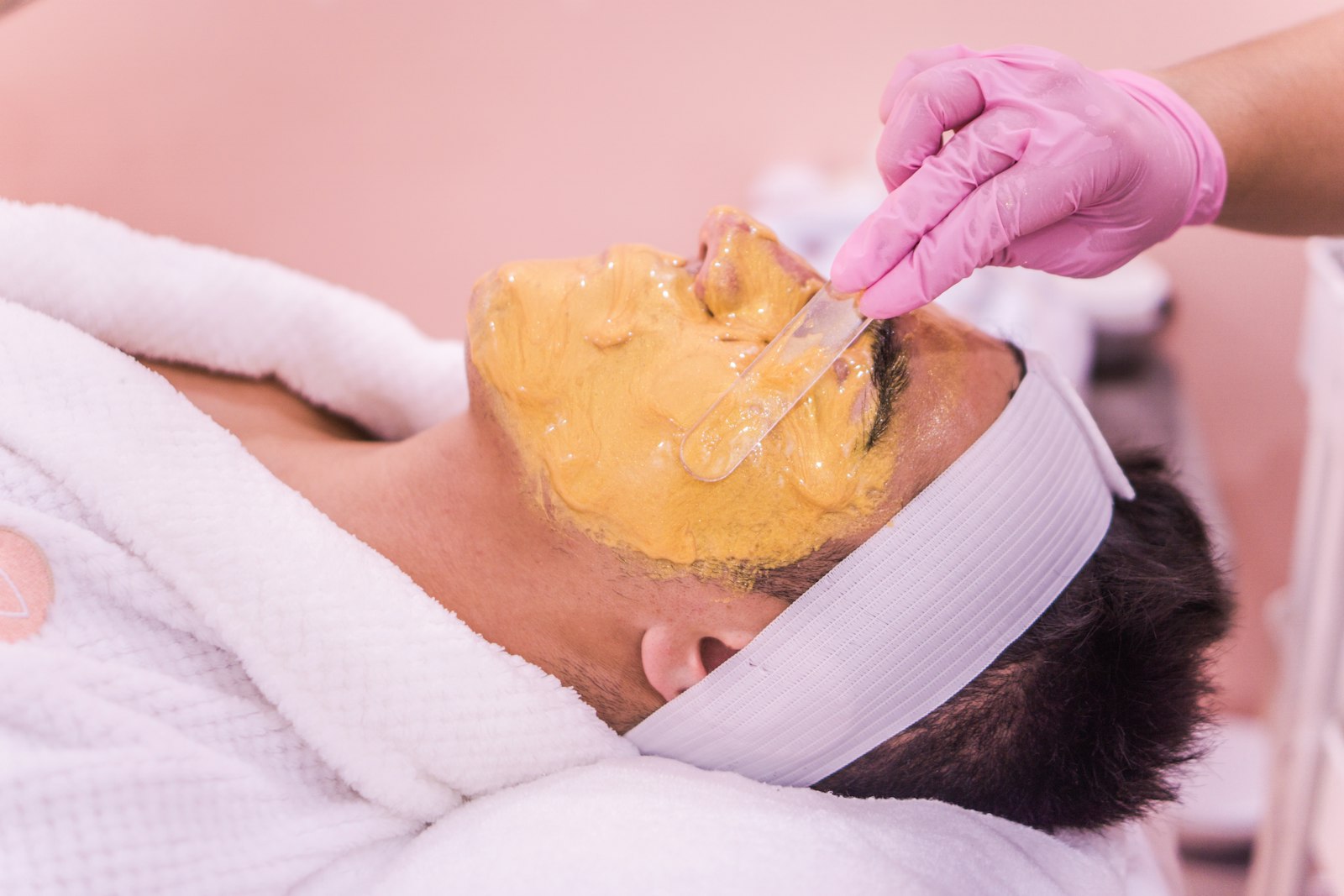
Microneedling vs Chemical Peel: What Is the Difference?
The key difference is that microneedling works beneath the surface to stimulate new collagen, while a chemical peel works on the surface to remove dead and damaged skin cells.
Think of it as rebuilding versus resurfacing. Microneedling encourages your skin to repair and strengthen itself from within. A chemical peel clears away the dull, uneven top layer so fresher skin can come through.
Both improve how your skin looks and feels. The right choice depends on your main concern, so here is how each one works in practice.
How Does Microneedling Work?
Microneedling uses a device with very fine needles to create thousands of controlled micro-channels in the skin, which triggers the natural healing response and stimulates collagen and elastin production.
Those micro-channels are tiny and close quickly, but your skin treats them as a signal to repair. Fibroblasts, the cells that make collagen, become more active, and over the following weeks the skin gradually becomes firmer and smoother.
Because skin cells renew roughly every 28 days, the best improvement usually shows around one month after each session. Most clients need a course of three to six sessions for the full effect.
What Is Microneedling Best For?
Microneedling is best suited to texture concerns such as indented acne scarring, enlarged pores, fine lines and skin that has lost some of its firmness.
Because it works on collagen rather than only the surface, it can reach scarring that exfoliation alone cannot. It also suits a wide range of skin tones, as it does not rely on strong acids or heat.
How Does a Chemical Peel Work?
A chemical peel applies a carefully selected acid solution to the skin, which loosens the bonds between dead skin cells so the outer layer sheds and reveals smoother, more even skin underneath.
Professional peels use acids such as glycolic, lactic or salicylic acid, chosen to suit your skin type. Lighter, superficial peels refresh the surface with little disruption. Stronger peels work more deeply but need a longer recovery.
As the treated layer renews, the skin tends to look brighter and more even. Regular peels can also keep pores clearer and soften the look of fine lines.
Chemical Peel Benefits for Texture, Tone and Pigmentation
The main chemical peel benefits are a brighter complexion, a more even skin tone, softer texture, clearer pores and a gradual reduction in the appearance of pigmentation and sun damage.
Here is why peels are so popular. Dull skin is often a build-up of dead cells sitting on the surface, and removing them makes a visible difference once any flaking has settled.
For uneven tone and pigmentation, a course of peels usually works better than a single session. Daily SPF is essential alongside treatment, because freshly exfoliated skin is more sensitive to the sun and pigmentation can return without protection.
Peels also suit oily or congested skin. Salicylic acid in particular works inside the pore to clear excess oil and help prevent breakouts.
Not sure which treatment suits your skin?
View Micro-NeedlingHow Do the Benefits of Microneedling Compare?
The main microneedling benefits are firmer skin, smoother texture, softer acne scarring and refined pores, built gradually through your skin’s own collagen production.
The real difference is the timeline. A peel tends to show its effect sooner because it works on the surface. Microneedling builds over weeks and keeps improving across a course, which makes it the stronger long-term option for structural concerns.
So which matters more to you: a brighter surface sooner, or firmer, smoother skin built over time?
Which Is Better: Microneedling or a Chemical Peel?
Neither is better overall, because microneedling vs chemical peel comes down to your main concern, with microneedling suiting scarring and texture and a chemical peel suiting dullness, uneven tone and pigmentation.
Here is a simple way to decide. If your main frustration is texture, scarring or loss of firmness, microneedling is usually the stronger choice. If it is dullness, blotchiness or congestion, a chemical peel is often the better starting point.
Many people have a mix of both. That is why we always start with a consultation, look at your skin properly and recommend the approach that fits, rather than guessing.
Can You Combine Microneedling and Chemical Peel Treatments?
Yes, microneedling and chemical peel treatments can be combined within a skin plan, but they are usually alternated in separate sessions rather than carried out on the same day.
Both treatments make the skin temporarily more sensitive. Doing them together raises the risk of irritation, so we space them out and let the skin recover in between.
Used in rotation, they complement each other well. The peel refines the surface, while microneedling works on collagen beneath it.
Downtime and Aftercare: What to Expect
Most clients have redness or mild swelling for 24 to 48 hours after microneedling, while chemical peel downtime ranges from a little redness to several days of light flaking, depending on the strength of the peel.
Is microneedling skin peeling normal? Some light flaking two to four days after treatment is common and simply shows the skin is renewing. It settles on its own.
Chemical peel aftercare follows similar principles. Keep skin clean and moisturised, avoid picking at flaking skin, pause strong active ingredients such as retinol for a few days, and wear SPF every day.
After microneedling, avoid makeup, saunas and intense exercise for the first 24 hours. This gives the micro-channels time to close.
Microneedling vs Chemical Peel: Which Should You Choose?
Choose microneedling if scarring, texture or firmness bothers you most, and choose a chemical peel if dullness, uneven tone or pigmentation is your main concern.
The microneedling vs chemical peel decision becomes much easier once you know what each treatment does best. Microneedling rebuilds from within, while a peel refreshes the surface, and many clients get the most from using both over time.
As an aesthetics clinic serving Birmingham from our base in Oldbury, we will assess your skin and recommend the right starting point. You can also browse our full range of anti-aging treatments.
Frequently Asked Questions
Does microneedling cause peeling?
Microneedling can cause light peeling or flaking for a few days after treatment, which is a normal part of the skin's renewal process.
It is usually much milder than the peeling after a medium-strength chemical peel. A gentle, fragrance-free moisturiser helps it settle.
Is a chemical peel or microneedling better for acne scars?
Microneedling is generally more effective for indented acne scars, while chemical peels are better for the red or brown marks that acne leaves behind.
Many clients with both types of scarring benefit from a combined plan, with the two treatments alternated over several months.
How is microdermabrasion different from a chemical peel?
Microdermabrasion exfoliates the skin physically with a fine abrasive tip, while a chemical peel exfoliates chemically with an acid solution.
Both brighten the surface, and microdermabrasion has very little downtime. We compare it with other facials in our guide to hydrodermabrasion vs microdermabrasion.
How many sessions will I need?
Most clients need three to six microneedling sessions, while chemical peels are usually booked as a course of several sessions spaced a few weeks apart.
Your exact plan depends on your skin and goals, and we will talk you through it at your consultation.
Find the Right Skin Treatment for You
We will look at your skin properly and recommend microneedling, a peel or a combination, with a realistic plan for your concerns.
View Skin Texture & Glow Services
