


Botox vs fillers is one of the first questions people ask us when they start looking into anti-aging treatments, and it is a good one to settle before your first consultation. The two are often mentioned in the same breath, but they work in different ways and treat different concerns. Once you know what each one actually does, it becomes much easier to see which will help with the lines or areas that bother you.
At a glance
- Botox relaxes the muscles behind movement lines, such as frown lines, forehead lines and crow’s feet.
- Fillers restore lost volume and definition, such as in the cheeks, lips, jawline and the folds around the mouth.
- Anti-wrinkle injections typically last three to four months, and fillers typically last 6 to 18 months.
- Many people use both as part of one overall plan.
Botox vs Fillers: What Is the Difference?
The difference between Botox and fillers is that Botox relaxes the muscles that cause lines when you move, while dermal fillers restore lost volume and definition beneath the skin.
That one distinction explains almost everything else. Botox, often called anti-wrinkle injections, is injected into specific muscles, so it suits lines caused by repeated expression. Dermal fillers use hyaluronic acid to put back volume that has been lost over time, or to add definition to a feature that has always been softer.
| Botox (anti-wrinkle injections) | Dermal fillers | |
|---|---|---|
| How it works | Relaxes the muscles behind movement lines | Restores volume and definition with hyaluronic acid |
| Best for | Lines caused by movement and expression | Lost volume, contour and definition |
| Areas we treat | Crow’s feet, frown lines, forehead creases | Lips, cheeks, chin, jawline, nose, under-eyes, nasolabial and marionette folds |
| How long it typically lasts | Three to four months | 6 to 18 months, depending on the product and area |
| Can it be reversed? | Wears off gradually as muscle activity returns | Hyaluronic acid filler can be dissolved with hyaluronidase |
Here is what that means in practice: neither treatment is better than the other. They do different jobs, and many of the concerns people bring to us respond best to one, the other, or a combination of both.
When Is Botox the Better Choice?
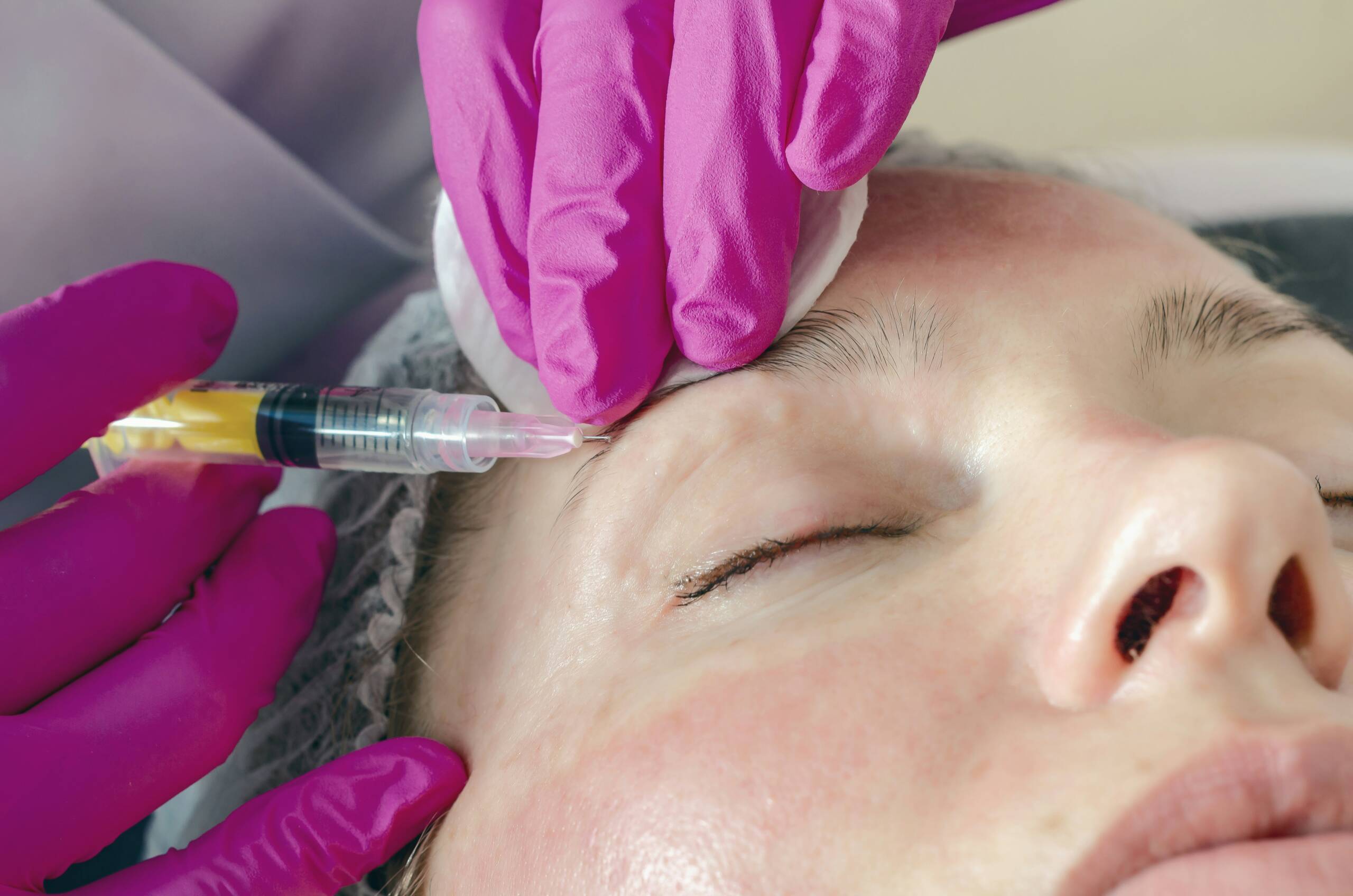
Botox is usually the better choice when your main concern is lines that appear or deepen when you move your face, such as frown lines, forehead lines and crow’s feet.
So how does this affect your decision? If a line is obvious when you frown, smile or raise your eyebrows, but much softer when your face is at rest, it is being caused by muscle movement. Relaxing that muscle is what anti-wrinkle injections do. It is also a common starting point for people in their mid-twenties to early thirties who want a preventative approach, as collagen production begins to slow. Our aim is a face that looks rested rather than frozen, so we always dose to keep natural movement.
When Do Fillers Make More Sense?
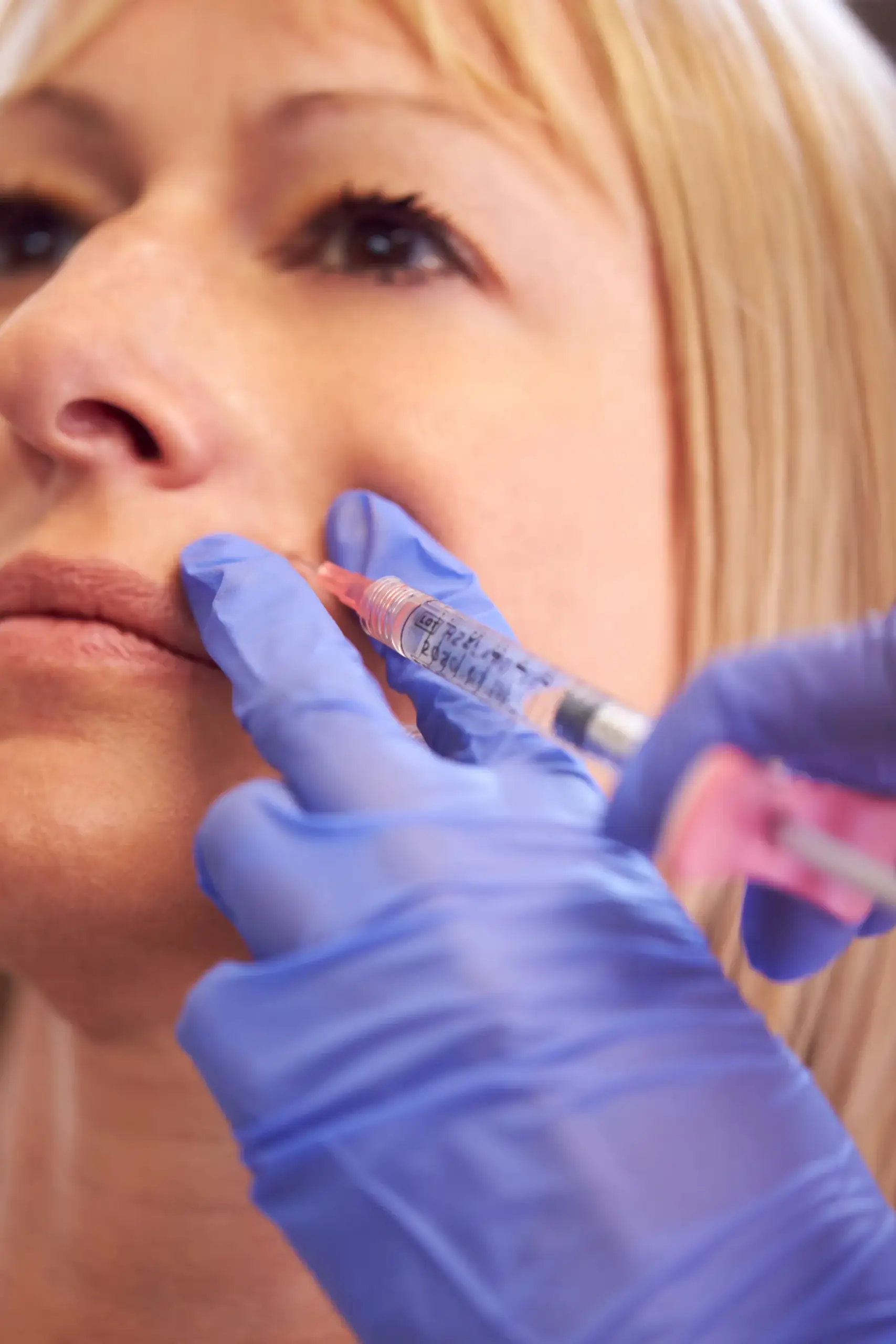
Fillers usually make more sense when the concern is lost volume or definition rather than movement, such as flatter cheeks, a softer jawline, thinner lips or deeper folds around the mouth.
The answer is simpler than you might think: if a line or area looks the same whether your face is moving or completely still, it is usually down to structure rather than muscle activity, and filler is often the better answer. Filler is placed in small amounts and built up gradually rather than all at once. For lips in particular, our guide to avoiding duck lips explains how we keep filler looking natural, and our guide to the Russian lips technique covers a more defined, heart shaped style. Our approach is that less is more, and the goal is to restore what has been lost over time, not to change your face.
Not sure whether you need Botox, filler or both?
View Anti-Aging TreatmentsBotox vs Fillers for Frown Lines, Forehead Lines and Smile Lines
For frown lines and forehead lines, anti-wrinkle injections are usually the first choice, while smile lines running from the nose to the corners of the mouth usually respond better to filler.
Frown lines
Frown lines between the brows are caused by the muscles you use to frown, so anti-wrinkle injections are usually the answer.
Relaxing those muscles softens the lines without stopping you from looking expressive.
Forehead lines
Botox or fillers for forehead lines? In most cases it is anti-wrinkle injections, because horizontal forehead creases come from raising your eyebrows.
The skill is in the dosing, so the forehead softens without looking heavy or frozen.
Smile lines
Fillers or Botox for smile lines depends on which lines you mean.
The folds running from your nose to the corners of your mouth, known as nasolabial folds, are usually down to lost volume, so filler tends to suit them better. The fine lines that fan out from the corners of your eyes when you smile are crow’s feet, and those respond to anti-wrinkle injections.
Can You Combine Botox and Fillers?
Yes, Botox and fillers are often used together, with anti-wrinkle injections softening movement lines and filler restoring volume, as part of one overall plan.
Because the two treatments target different causes, combining them often gives a more complete answer to the Botox vs fillers question than picking just one. A plan might use anti-wrinkle injections for frown lines and crow’s feet, alongside filler to restore volume in the cheeks, all agreed at the same consultation. We would always rather start conservatively and build up than do too much at once.
If you are still weighing up Botox vs fillers, a consultation is the quickest way to get a clear answer for your face. You can read more about anti-wrinkle injections in Birmingham and dermal fillers in Birmingham, or see how long Botox lasts if longevity is part of your decision. As an aesthetics clinic serving Birmingham from our base in Oldbury, we will tell you what we would treat, what we would leave alone, and why.
Frequently Asked Questions
These are the questions we hear most often about Botox and fillers.
Is Botox a filler?
No. Botox is an anti-wrinkle injection that relaxes the muscles behind movement lines, while filler is a hyaluronic acid gel that adds volume. They are both injectables, which is why they are often confused, but they do different jobs.
Is Botox better than fillers?
Neither is better overall. Botox is usually the better choice for lines caused by movement, and fillers are usually better for lost volume or definition. The right answer depends on what is causing the lines or areas that bother you.
Are anti-wrinkle injections the same as Botox?
In everyday use, yes. Botox is the best-known brand name, and anti-wrinkle injections is the general term for this type of muscle-relaxing treatment.
Is Botox safer than fillers?
Both are well-established treatments when carried out by a trained practitioner after a proper consultation, and both commonly cause mild redness or minor swelling for 24 to 48 hours. One practical difference is that hyaluronic acid filler can be dissolved if you are unhappy with it, while anti-wrinkle injections wear off gradually over three to four months.
How long do Botox and fillers last?
Anti-wrinkle injections typically last three to four months, while dermal fillers typically last between 6 and 18 months, depending on the product and the area treated.
Find the Right Anti-Aging Treatment for You
Every plan starts with a consultation, so you know exactly what we would recommend for your lines and volume before anything is injected.
Explore Our Anti-Aging Treatments